Marlborough, MA, 1973 by Alderman and McNeish
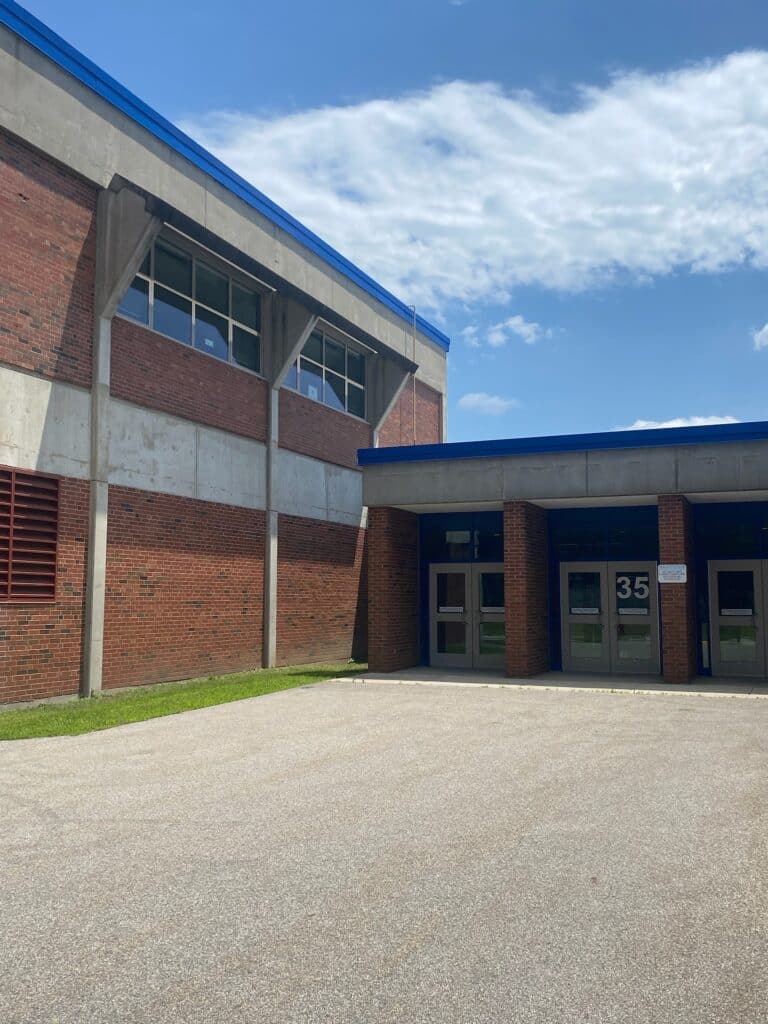
If you want to experience an impressive collection of modernist municipal architecture, there are few better collections than the Commonwealth’s Vocational High Schools. From Marcel Breuer’s iconic Madison Park building (1968) in Boston all the way to Chip Harkness and the Architects Collaborative’s McCann Technical School (1963) in North Adams, Mass vocational schools have become synonymous with mid century design.
This relationship is no coincidence. During this era, the state’s already robust job training programs got a massive shot in the arm from the federal government’s Vocational Education Act of 1963 (later renamed the Perkins Act) which changed funding to vocational programs from a trade based system to a per student based system.
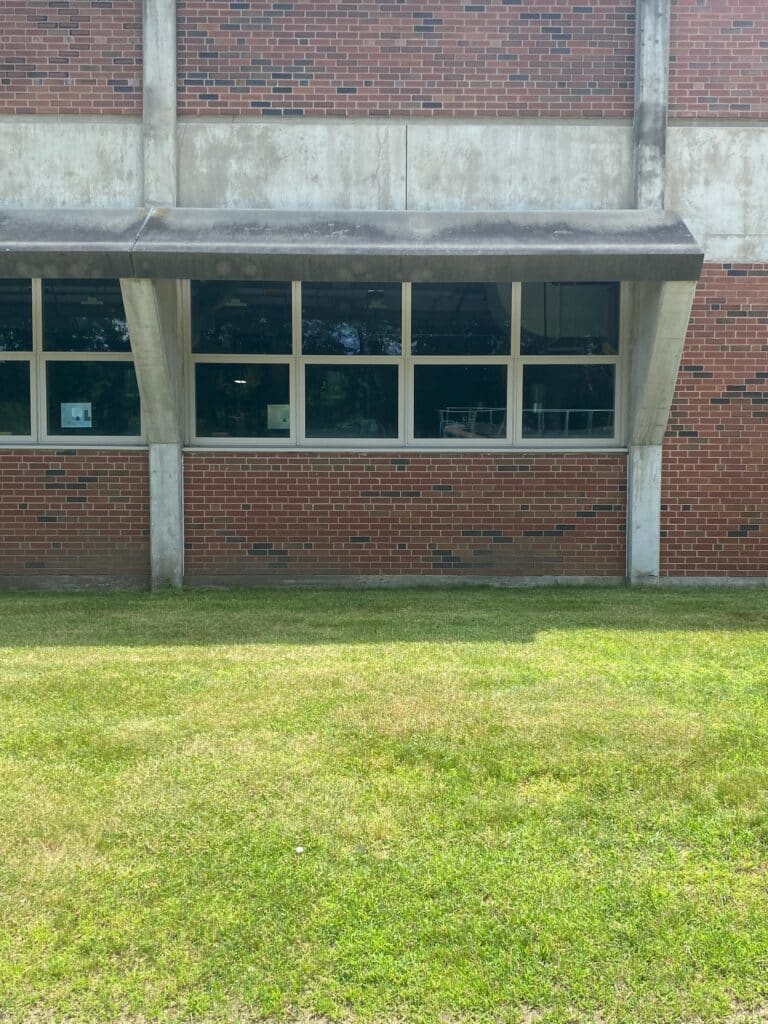
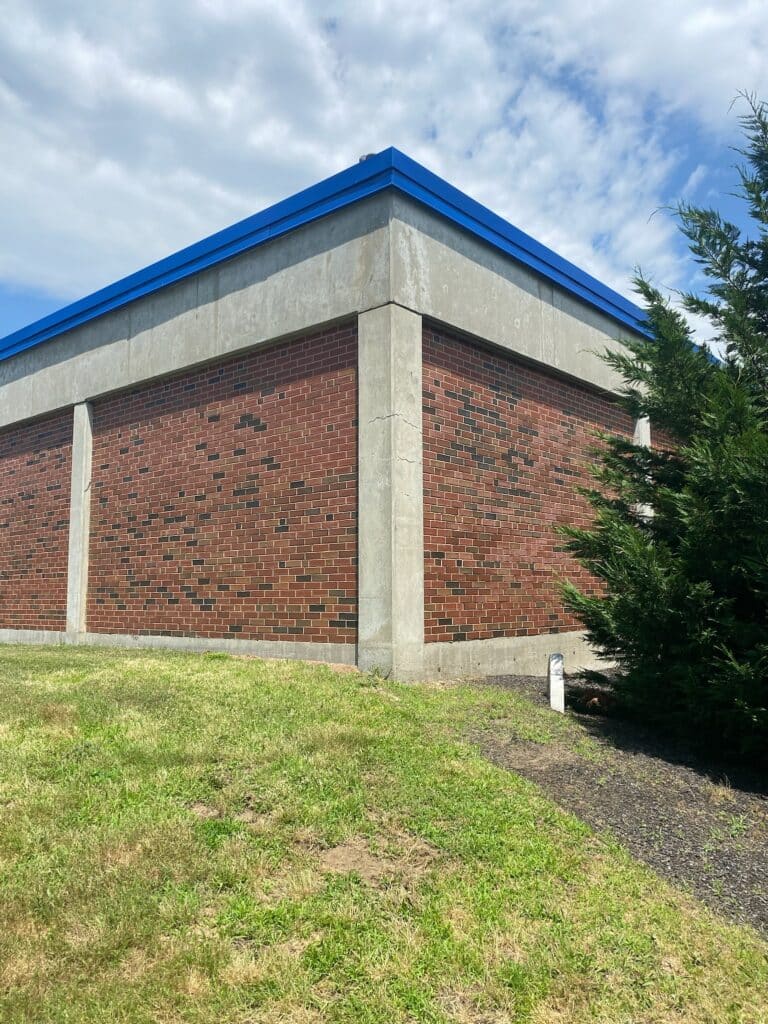
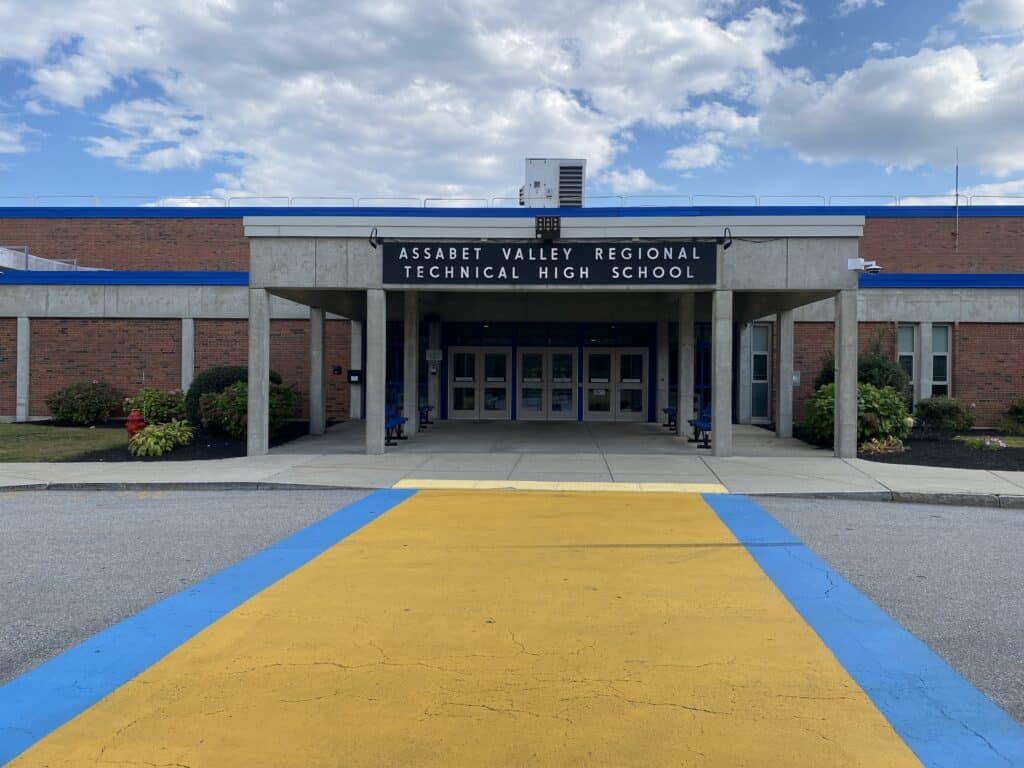
Assabet Valley was one of the many schools built in response to this act. The building follows common school design trends of the time with brick walls and concrete creating a unified grid. The defining exterior element is the array of concrete sun shades. Windows are vital for a technical school to prevent shops from becoming dreary and stale, but they also bring issues of heat and glare that can be just harmful in a hands-on work environment. Sun shades can mitigate both these problems. These heavy precast concrete blocks define the facade, and their solid supports accentuate the structural grid, running solid concrete down to ground level.
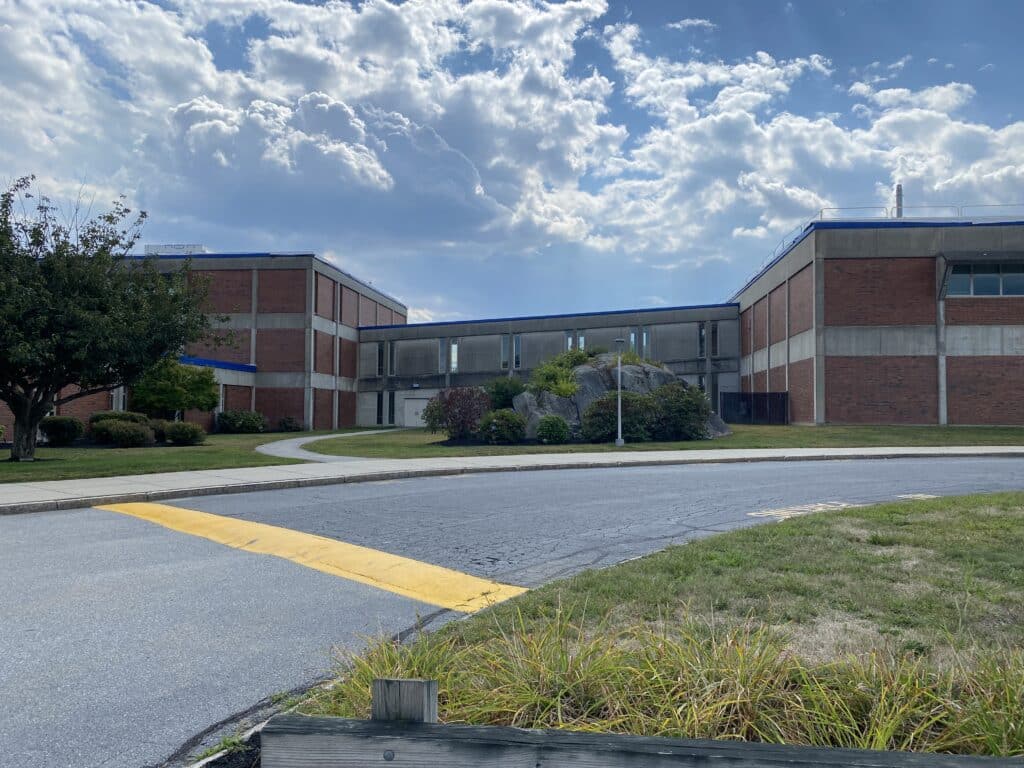
The complex is divided into two buildings and connected by two multistory, concrete walkways that form a central courtyard. The north building houses the workshops for the vocational programs, while the south houses the large scale school spaces–the gymnasium, auditorium, and cafeteria. Traditional classroom spaces take up the second and third floor.
As the Perkins Act surpasses 60 years, many communities are tackling the arduous process of replacing these mid-century campuses. The projects are plagued with the complexities and bloat endemic to the contemporary school funding process and often result in sterile, overwrought structures.
Assabet opted instead for an extensive renovation focused on mechanical and accessibility upgrades and phased over three years to allow for classes to continue. These buildings often lend themselves to renovations and additions as they were designed with future increased enrollment in mind. A good renovation can introduce 21st century support to the 20th century ideals of innovation these buildings represent.
Leave a Reply